Positioned at the crossroads of population genetics, ecology and evolution, our research investigates how genetic diversity is generated, maintained and distributed across multiple levels of biological organization. We combine classical population genetics, state-of-the-art genomic approaches and long-term field studies of wild populations to deepen our understanding of fundamental evolutionary processes that underpin biodiversity and its conservation in an era of rapid environmental change.
Current research
Genetic diversity forms the foundation of biodiversity, influencing individual fitness, population resilience and evolutionary potential. Our current research uses advanced genomic tools alongside long-term, individual-based field studies to elucidate the mechanisms shaping genetic variation in wild populations of birds, mammals, invertebrates and fungi. By integrating molecular, ecological and evolutionary perspectives, we strive to better understand how genetic diversity arises, persists and evolves in natural systems.
Emerging questions and future directions
Our future research aims to deepen our understanding of the genetic health and resilience of individuals and populations in changing environments. We seek to unravel how demographic declines and the accumulation of deleterious mutations shape individual fitness and long-term population persistence. By combining bioinformatics, computer simulations and comparative approaches, we aim to identify general principles that will inform both evolutionary theory and biodiversity conservation.
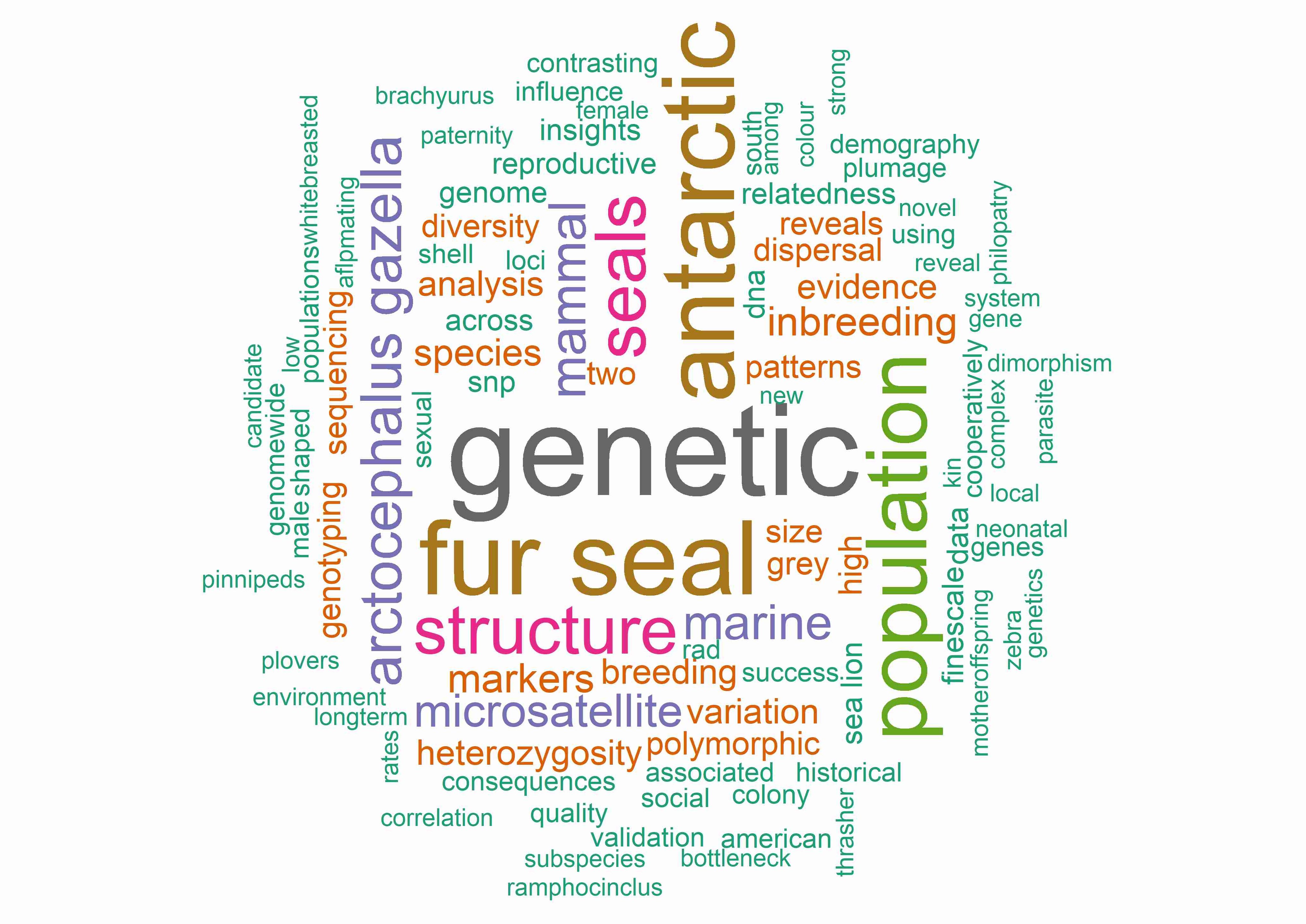




 The Hoffman Lab